Welcome to our letter P coloring pages collection! These fun and educational coloring sheets help children learn the sixteenth letter of the alphabet through engaging illustrations. Each page features objects that start with the letter P, making alphabet learning exciting and memorable.
Perfect for preschoolers, kindergarteners, and early learners, these coloring pages combine creativity with letter recognition, phonics, and vocabulary building. Download and print these free pages for home or classroom use!
Printable Letter P Coloring Pages
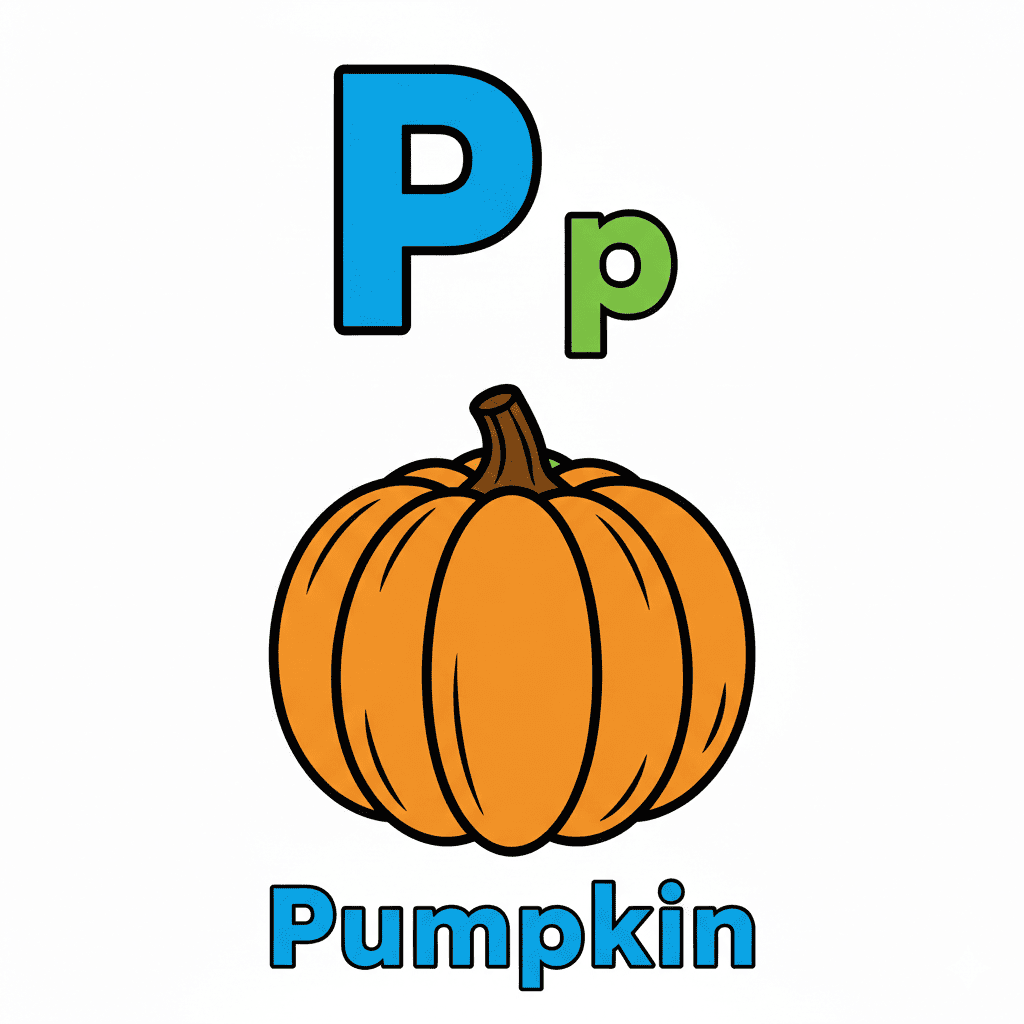
Educational Value of Letter P Coloring Pages
Our letter P coloring pages for kids offer wonderful learning opportunities beyond just coloring. These alphabet sheets help children develop essential early literacy skills in a fun, engaging way.
- Letter Recognition: Helps children identify the uppercase and lowercase letter P.
- Phonics & Sound Association: Teaches the distinct /p/ sound, which is a voiceless bilabial plosive.
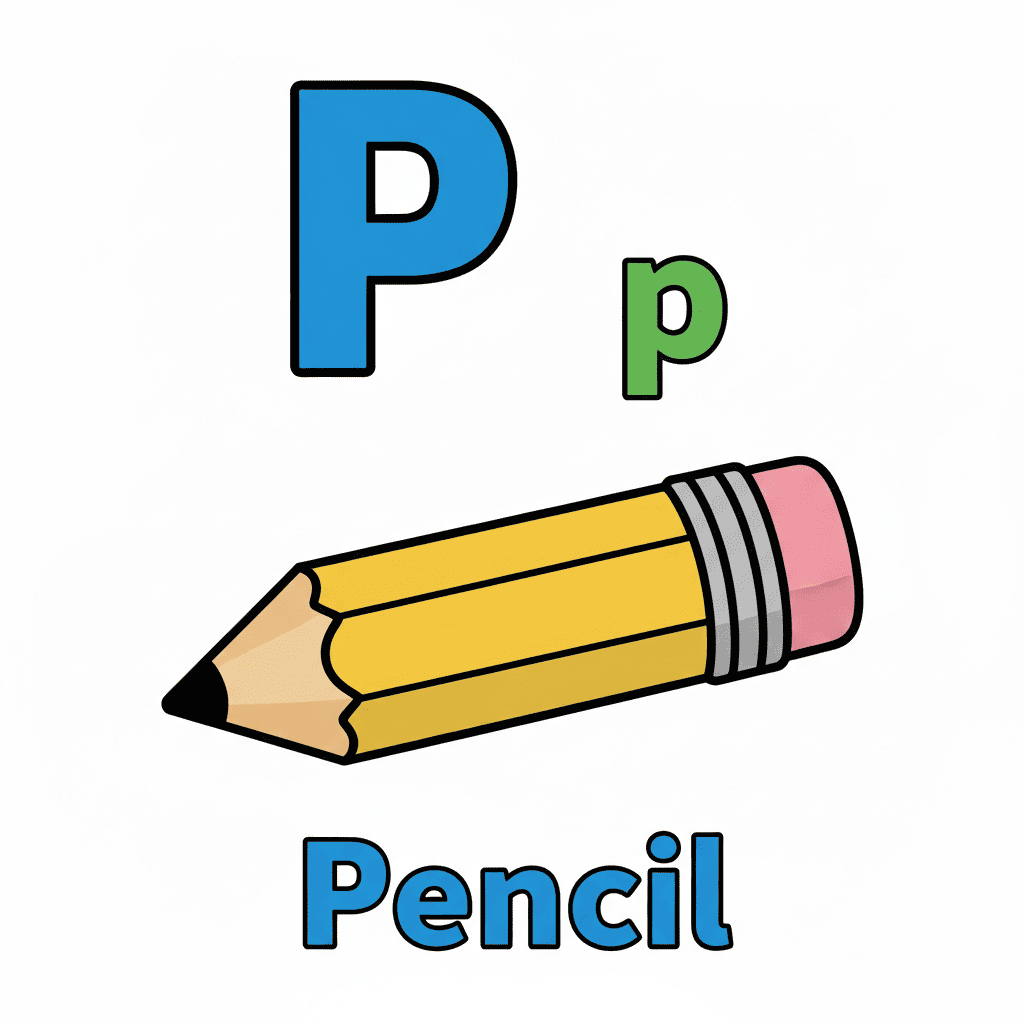
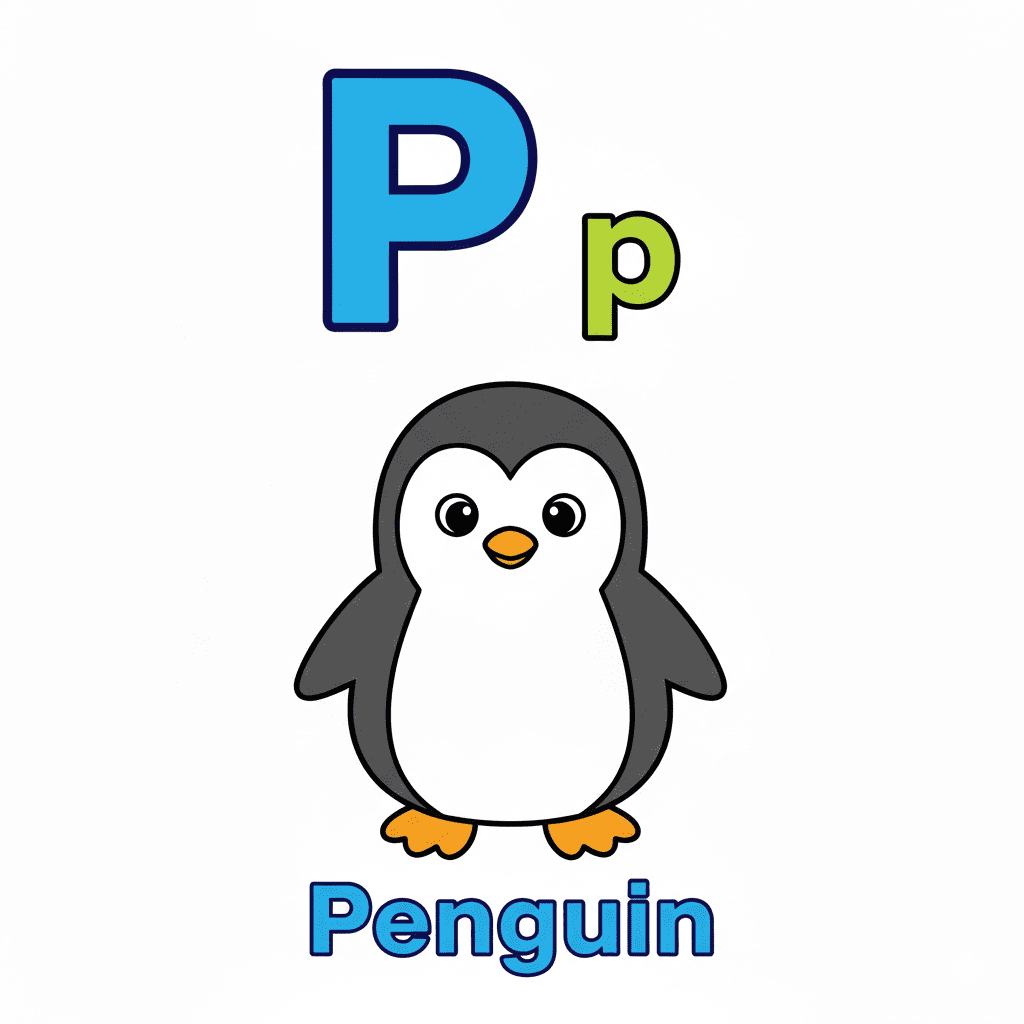
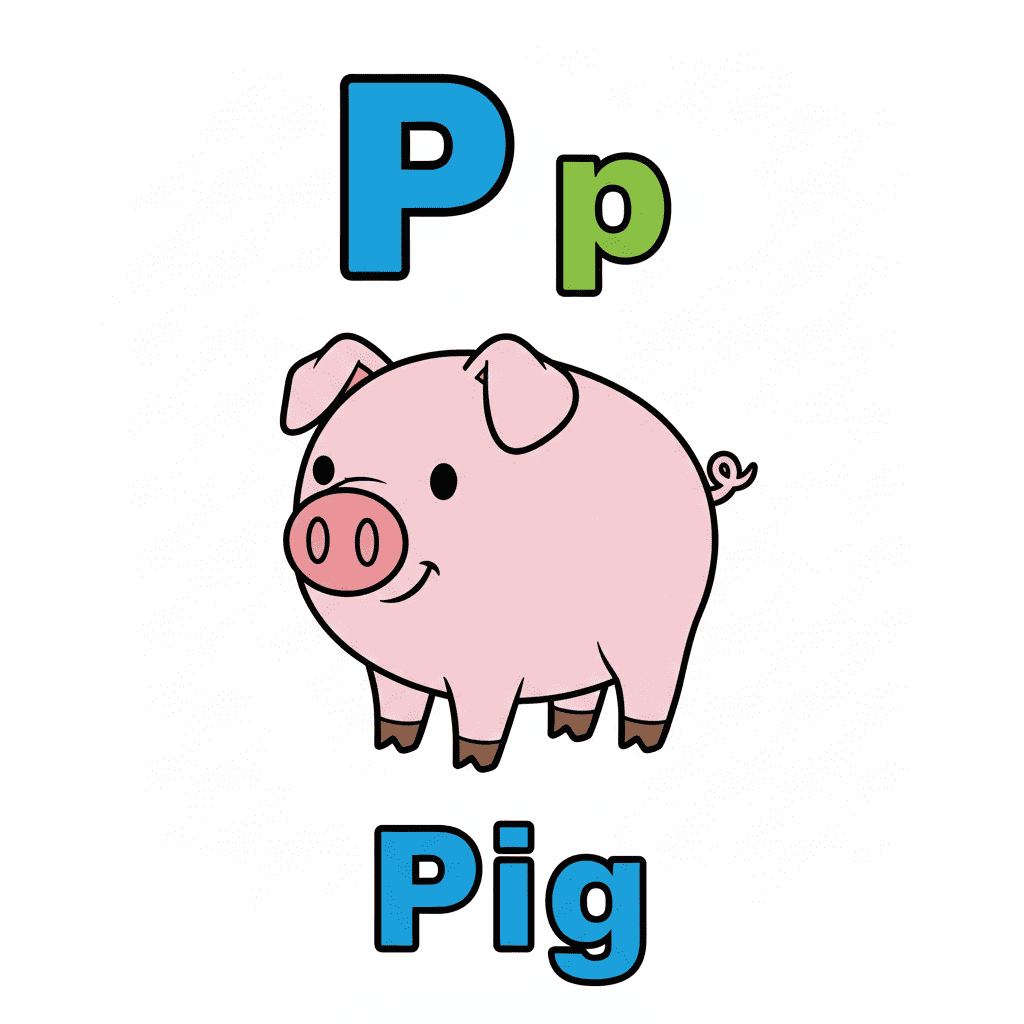
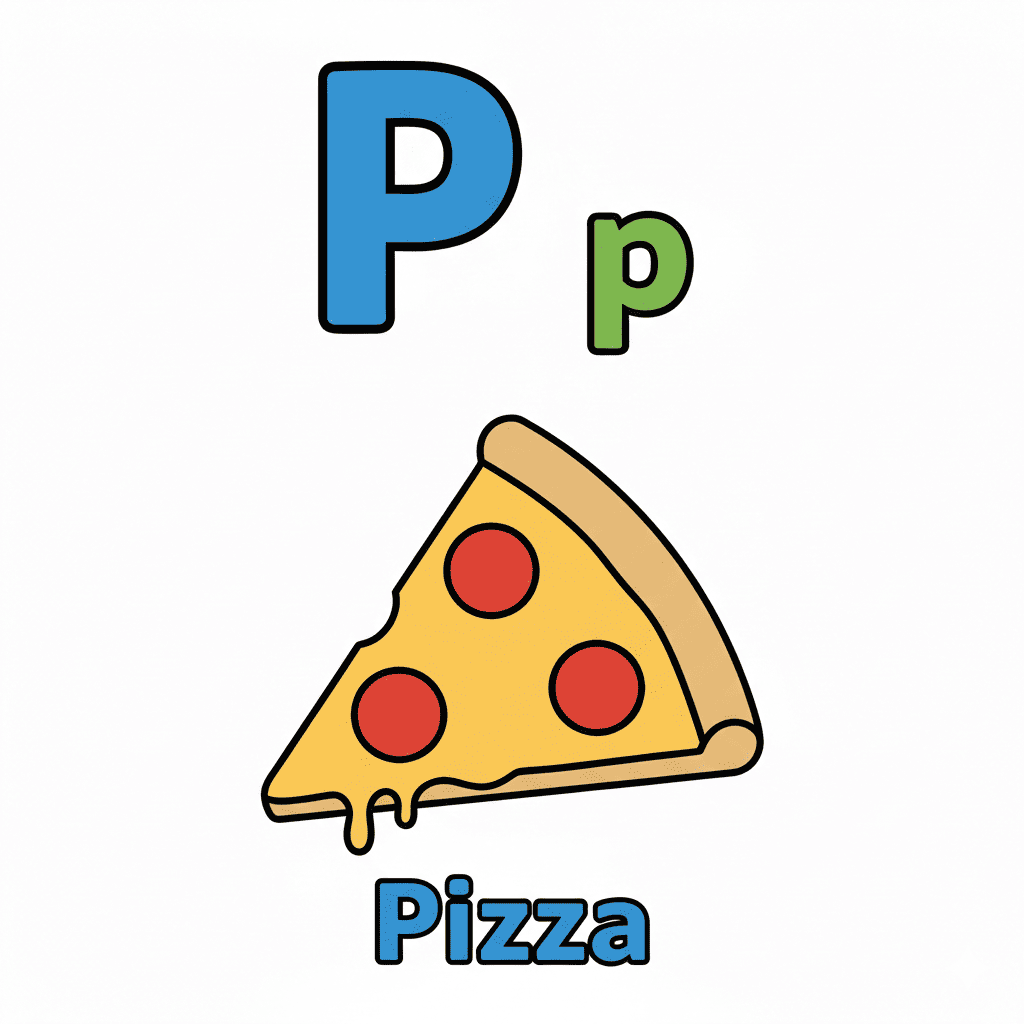
- Vocabulary Building: Introduces new words that start with the letter P like pencil, penguin, pig, pizza, and pumpkin.
- Fine Motor Skills: Coloring within lines improves hand-eye coordination and pencil control.
- Creative Expression: Allows children to express themselves while reinforcing alphabet learning.
- Concept Learning: Teaches various concepts like tools (pencil), animals (penguin, pig), food (pizza, pumpkin), and seasons (pumpkin for autumn).
- Sound Production Practice: P is a plosive sound that helps children develop breath control and mouth muscles.
Tips for Teaching Letter P
Make alphabet learning fun with these creative teaching ideas:
- Practice making the /p/ sound by popping air through closed lips - it's a "popping" sound.
- Create a "Perfect P Parade" collage with pictures of pencils, penguins, pigs, pizzas, and pumpkins.
- Go on a "P Hunt" around the house to find objects that start with P (paper, plate, pot, etc.).
- Sing alphabet songs emphasizing the letter P section with popping or penguin-waddling movements.
- Trace the letter P with fingers before coloring - it has a straight line and a curve.
- Compare uppercase P with lowercase p to show how they look different (uppercase has a closed loop).
- Act out the words: write with a pencil, waddle like a penguin, oink like a pig, eat pizza, or carve a pumpkin.
- Create a mini-book of "P Words" using the colored pages with categories for different types of P words.
- Practice writing P in different textures: with popcorn, using pasta, in pudding, or with purple paint.
- Play "Penguin Parade" game where children waddle while saying P words.
- Make pizza-themed crafts using paper plates and construction paper toppings.
- Compare P sound with B sound - both are bilabial but P is voiceless and B is voiced.
- Have a "P Day" where children bring items starting with P for show-and-tell.
Fun Facts About Letter P
- Letter P is the sixteenth letter of the English alphabet.
- P comes from the Greek letter Pi (Π, π) and the Semitic letter Pe (meaning "mouth").
- In chemistry, P is the symbol for the element Phosphorus, which glows in the dark.
- The /p/ sound is called a "voiceless bilabial plosive" because it's made with both lips and air is stopped then released.
- Many P words come from Latin, like "pencil" (from Latin "penicillus" meaning "little tail") and "pizza" (from Latin "pinsa" meaning "flat bread").
- P is used as an abbreviation for "page", "parking", and "phosphorus" in various contexts.
- The word "penguin" may come from Welsh "pen gwyn" meaning "white head" or Latin "pinguis" meaning "fat".
- Pigs are highly intelligent animals - they can learn their names, play video games, and have excellent memories.
- Pizza originated in Naples, Italy in the 18th century and was originally food for the poor.
- Pumpkins are fruits (berries specifically) and are 90% water. The largest pumpkin ever grown weighed over 2,600 pounds!
- The modern pencil was invented in 1795 by Nicholas-Jacques Conte, who mixed graphite with clay.
- In music, P stands for "piano" meaning "soft" in Italian.
- Penguins are found only in the Southern Hemisphere, with most species living in Antarctica.
- The letter P is the second most common starting letter for English words (after S).