🎉 Congratulations! 🎉
You've reached the final letter of the alphabet! Celebrate this milestone by coloring these zany Z pages. You've completed the A to Z alphabet journey!
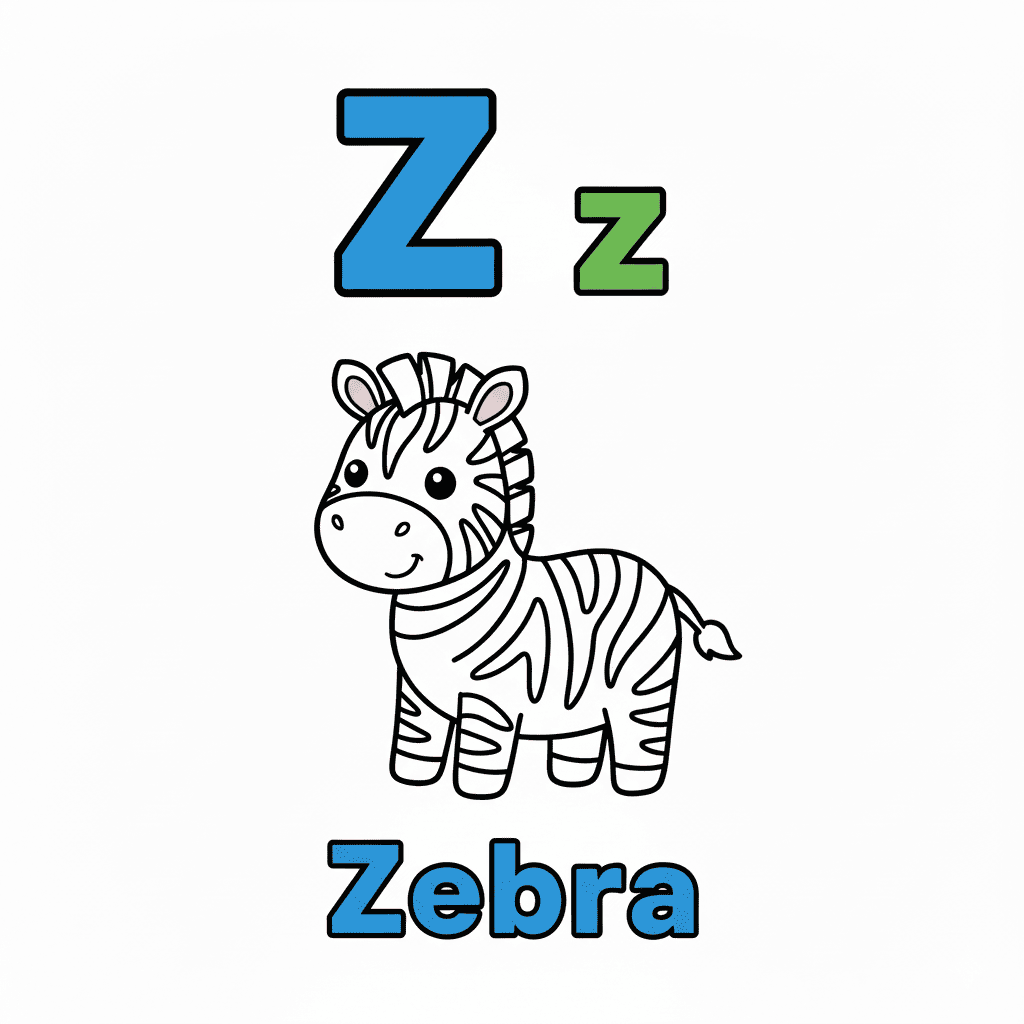
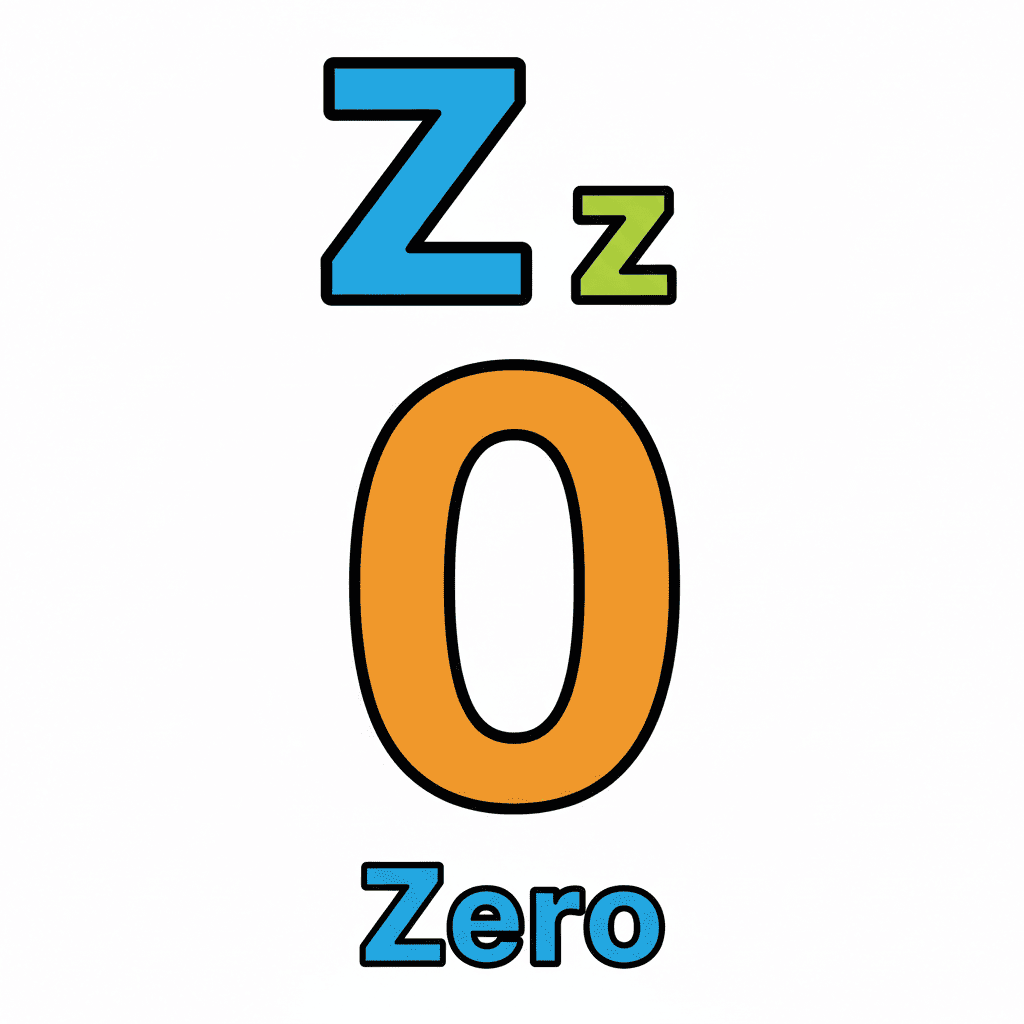
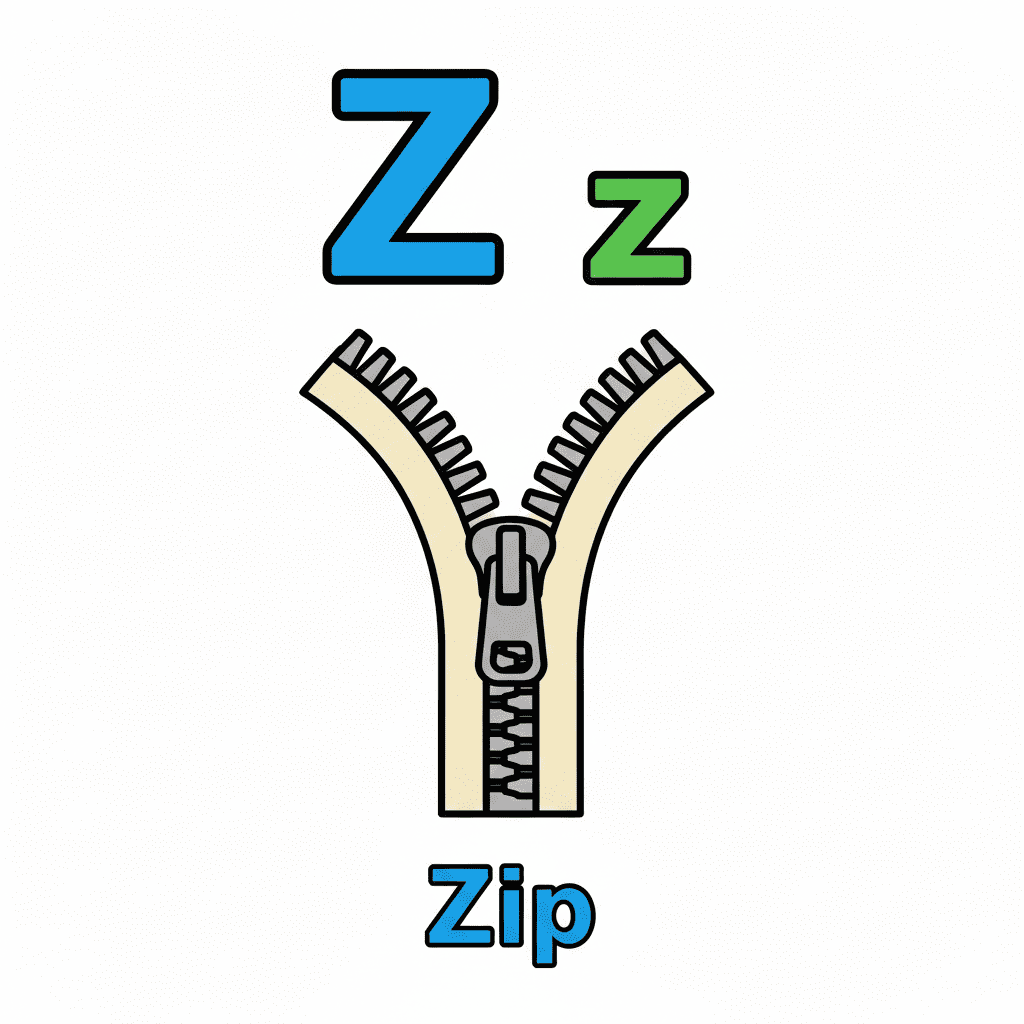
Welcome to our letter Z coloring pages collection! These fun and educational coloring sheets help children learn the twenty-sixth and final letter of the alphabet through engaging illustrations. Each page features objects that start with the letter Z, making alphabet learning exciting and memorable.
Perfect for preschoolers, kindergarteners, and early learners, these coloring pages combine creativity with letter recognition, phonics, and vocabulary building. Download and print these free pages for home or classroom use!
Printable Letter Z Coloring Pages
Educational Value of Letter Z Coloring Pages
Our letter Z coloring pages for kids offer zesty learning opportunities beyond just coloring. These alphabet sheets help children develop essential early literacy skills in a fun, engaging way as they complete their alphabet journey.
- Letter Recognition: Helps children identify the uppercase and lowercase letter Z with its distinctive zigzag shape.
- Phonics & Sound Association: Teaches the distinct /z/ sound, which is a voiced alveolar fricative.
- Vocabulary Building: Introduces new words that start with the letter Z like zebra, zero, zip, zoo, and zucchini.
- Fine Motor Skills: Coloring within lines improves hand-eye coordination and pencil control, especially with the angular shape of Z.
- Creative Expression: Allows children to express themselves while reinforcing alphabet learning.
- Concept Learning: Teaches various concepts like animals (zebra), numbers (zero), clothing (zip), places (zoo), and food (zucchini).
- Sound Discrimination: Helps children distinguish between Z sounds and similar sounds like S, TH, and J.
- Alphabet Completion: Provides a sense of accomplishment as children complete the entire A to Z alphabet.
Tips for Teaching Letter Z
Make alphabet learning fun with these creative teaching ideas as you complete the alphabet:
- Practice making the /z/ sound by placing the tongue behind the upper teeth and vibrating the vocal cords.
- Create a "Zany Z Day" celebration to mark the completion of the alphabet with Z-themed activities.
- Go on a "Z Hunt" around the house to find objects that start with Z (zipper, zebra toy, zucchini, etc.).
- Sing alphabet songs from A to Z, emphasizing the final Z section with zigzag arm movements.
- Trace the letter Z with fingers before coloring - it's like drawing a horizontal line, then diagonal, then another horizontal.
- Compare uppercase Z with lowercase z to show they're similar but have different proportions.
- Act out the words: walk like a zebra with stripes, show zero fingers, zip up a jacket, roar like zoo animals, or pretend to eat zucchini.
- Create a "Z Book" using the colored pages to complete an alphabet collection from A to Z.
- Practice writing Z in different textures: with zigzag lines, using zippers to trace, in shaving cream, or with glitter.
- Play "Zebra Crossing" game where children cross only when they can name a Z word.
- Make zebra stripe crafts using black and white paper or paint.
- Compare Z sound with S sound - Z is voiced while S is voiceless (try saying "zoo" vs. "Sue").
- Have a "Zucchini Day" with zucchini snacks while learning about vegetables and healthy eating.
- Create a zoo diorama with different animal drawings from all the alphabet coloring pages.
- Count from zero to ten while coloring the zero page to reinforce number concepts.
Fun Facts About Letter Z
- Letter Z is the twenty-sixth and final letter of the English alphabet.
- Z is the least frequently used letter in English text, appearing in only about 0.07% of all words.
- The /z/ sound is called a "voiced alveolar fricative" because it's made by air passing through a narrow channel at the alveolar ridge.
- In American English, Z is pronounced "zee," while in British English it's pronounced "zed."
- The word "zebra" comes from Portuguese, which borrowed it from Congolese languages of Africa.
- The concept of zero was invented independently by ancient Babylonians, Mayans, and Indians around the world.
- The modern zipper was invented in 1913 by Gideon Sundback, though earlier versions date back to 1851.
- The first modern zoo was the Tiergarten Schönbrunn in Vienna, Austria, opened to the public in 1765.
- Zucchini is actually a type of summer squash that's technically a fruit because it develops from a flower.
- In mathematics, Z often represents the set of all integers (positive, negative, and zero).
- Z is the chemical symbol for the element zinc (atomic number 30).
- The letter Z is associated with sleep in many cultures because of the sound of snoring (zzz...).
- Zebras' stripes are unique like human fingerprints - no two zebras have exactly the same pattern.
- Zero is the only number that cannot be represented in Roman numerals.
- The word "zoo" is short for "zoological garden" or "zoological park."
- Z is sometimes called "izzard" in dialects of English, especially in Scotland and Ireland.
- The "Zorro" character, created in 1919, means "fox" in Spanish and helped popularize the letter Z.
Celebrating Alphabet Completion
Completing the alphabet from A to Z is a significant milestone in early literacy development. Here are some ideas to celebrate:
- Create an "Alphabet Book" by binding all 26 letter coloring pages together.
- Have an "Alphabet Party" where children share their favorite coloring pages from each letter.
- Make an "Alphabet Wall" displaying all the colored pages in order from A to Z.
- Create certificates or awards for completing the alphabet journey.
- Review all the letters by playing alphabet games that incorporate vocabulary from A to Z.
- Encourage children to write their names and simple words using all the letters they've learned.
- Create an "Alphabet Scrapbook" with photos of the child coloring each letter page.
- Have children create their own alphabet book with drawings of things that start with each letter.
- Practice reading simple books that incorporate all the letter sounds learned.
- Celebrate with an "Alphabet Parade" where children march while holding their colored pages.
Complete Your Alphabet Collection!
You've reached the end of the alphabet journey! Explore our complete A to Z collection.
View All Alphabet Letters A-Z